

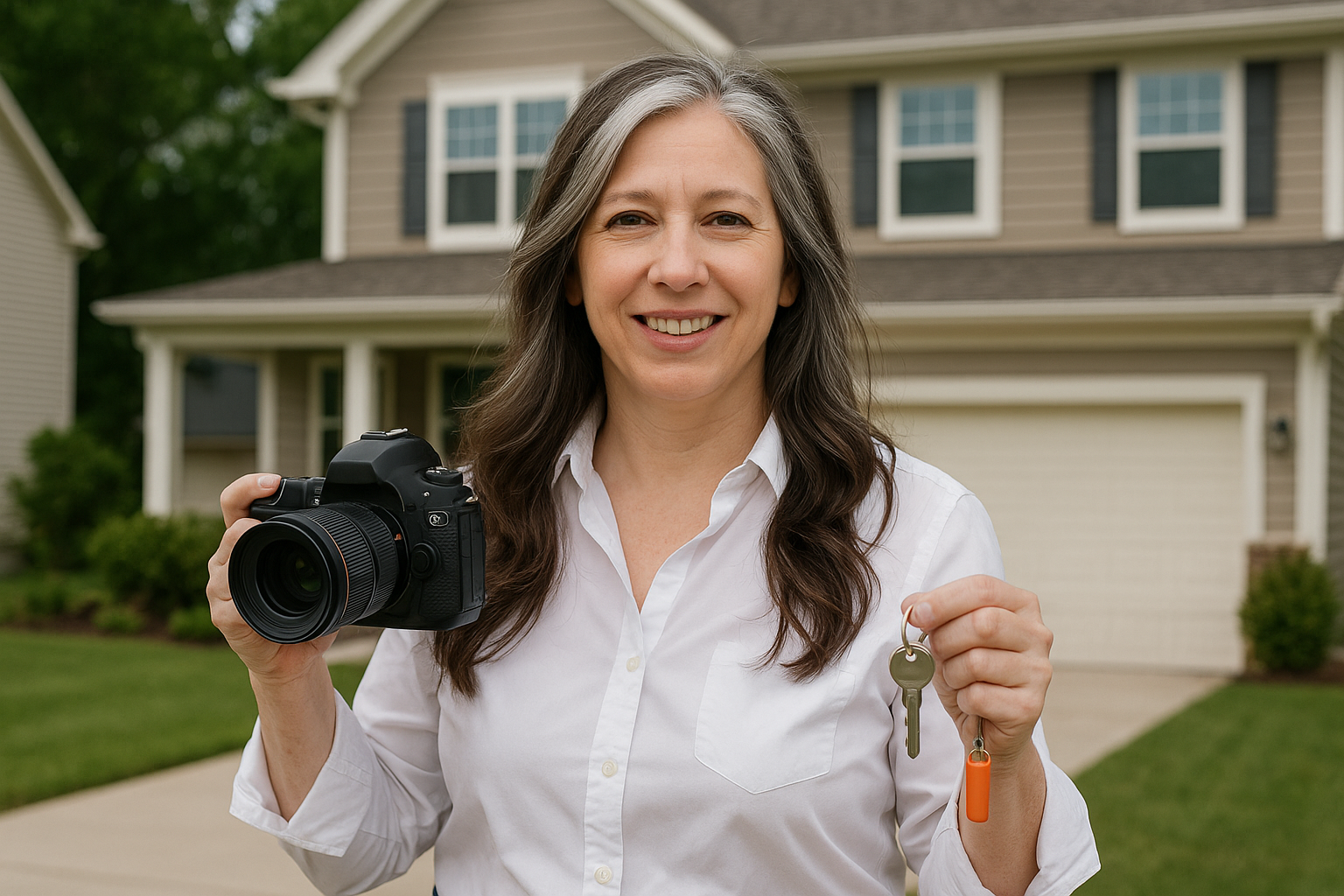
How Real Estate Photographers Can Protect Themselves on Location
When you think of real estate photography, you probably picture a quiet home, a camera, and some creative angles. It seems pretty low-risk, right?
But the truth is, anytime you’re out on location — especially at vacant properties, remote homes, or open houses — you’re stepping into unknown territory. It’s important to think about your personal safety just as much as your camera settings.
Here’s how real estate photographers can be smart, stay alert, and protect themselves while working in the field:
1. Let Someone Know Where You’re Going
Before heading out to any shoot, always tell someone — a family member, friend, or even a coworker — where you’ll be.
Share:
The property address
The time you expect to arrive and leave
Who you’re meeting (if anyone)
Some photographers even use location-sharing apps like Life360 or Find My iPhone to allow someone to track their location in real-time. If anything feels off, you’ll have someone ready to check on you.
2. Trust Your Gut and Pre-Screen Properties
If something feels weird about a shoot, it probably is.
Before you agree to photograph a property:
Research the location.
Ask the client who will be there (agent, homeowner, tenant, no one?).
Verify that your contact is legitimate.
If you pull up to a property and something feels off — leave immediately. Trust your instincts. No photo is worth putting yourself in a risky situation.
3. Set Up Your Vehicle for a Quick Exit
Park smart.
Back into the driveway or parking spot so you can pull out quickly if you need to.
Keep your keys in your pocket or on a lanyard — not buried in a bag.
It sounds dramatic, but if you need to leave fast, you’ll be glad you set yourself up for a quick exit.
4. Carry Basic Self-Protection Tools
You don’t have to be a ninja, but having a few tools on hand can help:
Pepper spray: Small, legal in most places, and easy to carry.
Personal alarm: A loud alarm can draw attention and scare off a threat.
Tactical flashlight: Bright, heavy-duty flashlights can be used to disorient or defend.
Legal concealed carry (if you’re trained, licensed, and comfortable — only where it’s allowed).
Always check your local laws, especially if you travel between states.
5. Stay Alert, Even at “Safe” Listings
Even when you’re shooting a staged home in a nice neighborhood, stay aware:
Keep your head up (not buried in your phone).
Watch for people entering the property.
Secure all doors behind you if you’re working alone inside.
Some vacant homes, especially in rural areas, can attract squatters or unwanted visitors. Always be cautious.
6. Work During Daylight When Possible
Lighting isn’t just better for your photos — it’s better for your safety too.
Whenever possible, schedule shoots during daylight hours.
Early mornings and late evenings can make you more vulnerable, and it’s harder to spot suspicious activity when it’s dark.
7. Have an Emergency Plan
Think ahead:
Where’s the nearest exit?
If someone strange shows up, what’s your plan?
Is your phone fully charged and easily accessible?
You don’t need to be paranoid — just prepared.
Final Thoughts
Real estate photography can seem like a calm, easy-going job, but being alone at unfamiliar properties brings a certain amount of risk.
Taking a few smart precautions can make a huge difference in keeping yourself safe.
At the end of the day, your safety is more important than any photo shoot.post.


